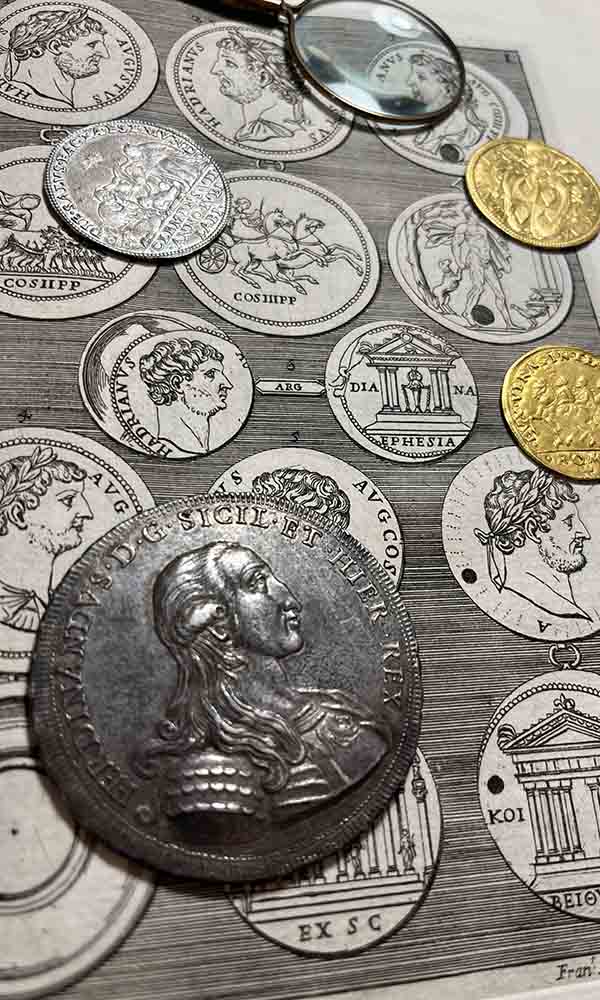


Dear readers Numismatica Ranieri in this post we will explore how to photograph coins by analyzing the technique most appropriate to obtain the best possible result. If you have a rare coin or coins, investment gold are ready to be placed on the market, the first thing to do will be to produce high-quality photographs that put on shows every detail of the coin.
How to photograph coins
Sooner or later it happens to be made of the photographs of coins. There are those who do it only for a "whim", but those who by necessity (see, for example, the cataloguing of the entire collection). It is in these moments that we realize how difficult it is to make beautiful photographs to our logs coin. Reliefs are virtually non-existent, and reflections that seem to spring up out of nothing, patinas, beautiful to look at but horrible to reproduce, tondelli imperfect that create shadows that no light seems to be able to delete. You could go along the list of the difficulties to be encountered. Yet it seems such a simple thing, right?
It is not so, believe me. The coin is considered to be the "tomb" (in the metaphorical sense, of course) to all photographers, including professionals. More reason have we that we are amateurs, we can't expect too much from our shots.
For those who do not was still scared and want to venture into the world of photography of rare coins in coin collecting, here's what follows:
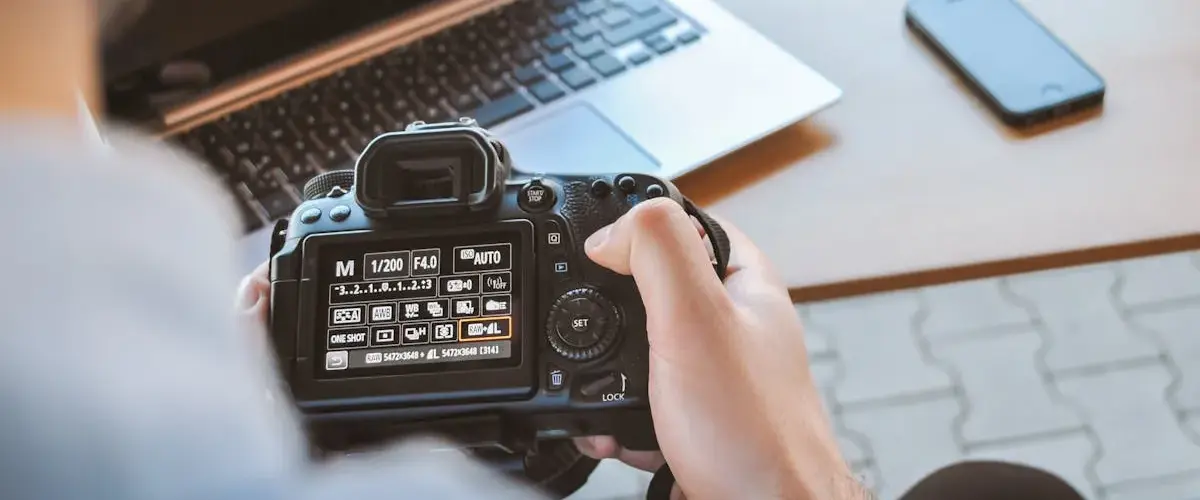
- a camera 35mm with a macro lens of good quality
- support fixed (static) on which to fix the camera, and able to provide a minimum distance of 45 to 50cm between the surface and the lens;
- a plane of light, however, be able to hold a flash light has the task of burning the field around the coin, making it white printing);
- lamps, high-power (from 300 to 500 watts), and a parable of the generous size for a proper distribution of light;
- films of lower sensitivity that may allow you to zoom in on the negative, even at a high rate without the "popping" of the photo (the ugly effect of "dust").In the case of black and white photographs and there are other restrictions as to the color, you must keep in mind that the lamps have suitable (in practice, the light must possess the proper degree of color, expressed in Kelvin).
Also the roll purchase may not be the one commonly used for the photos in the outside, but must be specific to artificial lighting.
Also remember to turn off the alter light sources, especially the neon light that, in the case of a color photo to produce shades of green.
Once we have everything, you just need to assemble together, to properly illuminate the surface with a lamp tilted at our option:
- grazing light = photo soft
- light perpendicular = photo countered
and to start with a test roll to choose the optimal result. Let us remember that the machine thinks in terms of two parameters (aperture, and time), but one of the two must necessarily stay put, regardless of the type of coin that you're going to photograph. Otherwise difficult to obtain significant results for the sake of homogeneity.
To avoid the simultaneous use of two lights contrasting with the same intensity and inclination: sortiremmo as the only effect is a photography flat because of a cancellation the reciprocal of the shadows, what a beautiful photo bring out the reliefs, and gives an almost three-dimensional.
Conclusions
Hoping to have offered some interesting indication as to how to photograph the coins in the coin, we are waiting for your valuable comments. We also invite you to write us for any information or further details. The official email address is: info@numismaticaranieri.it