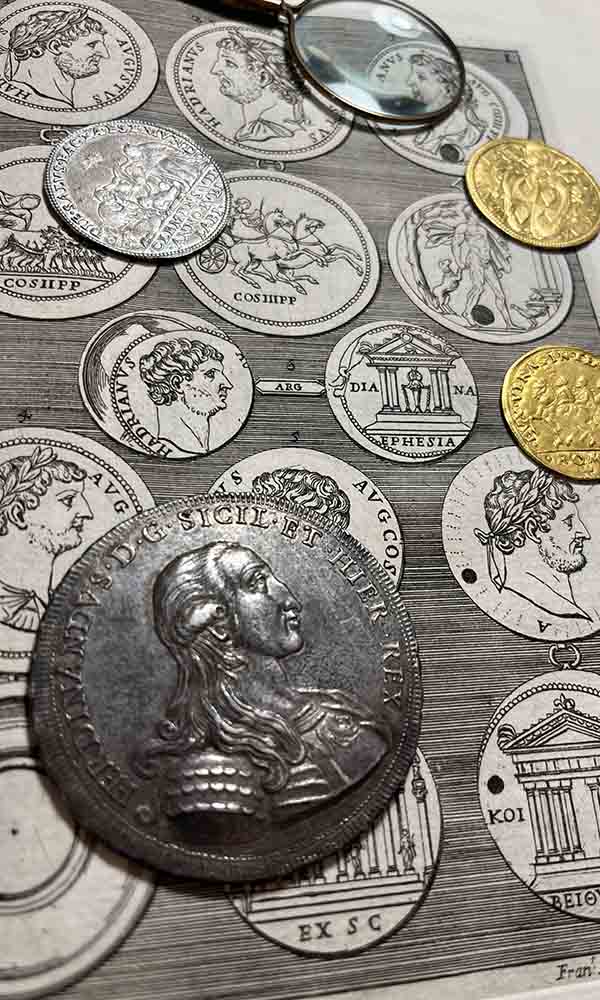


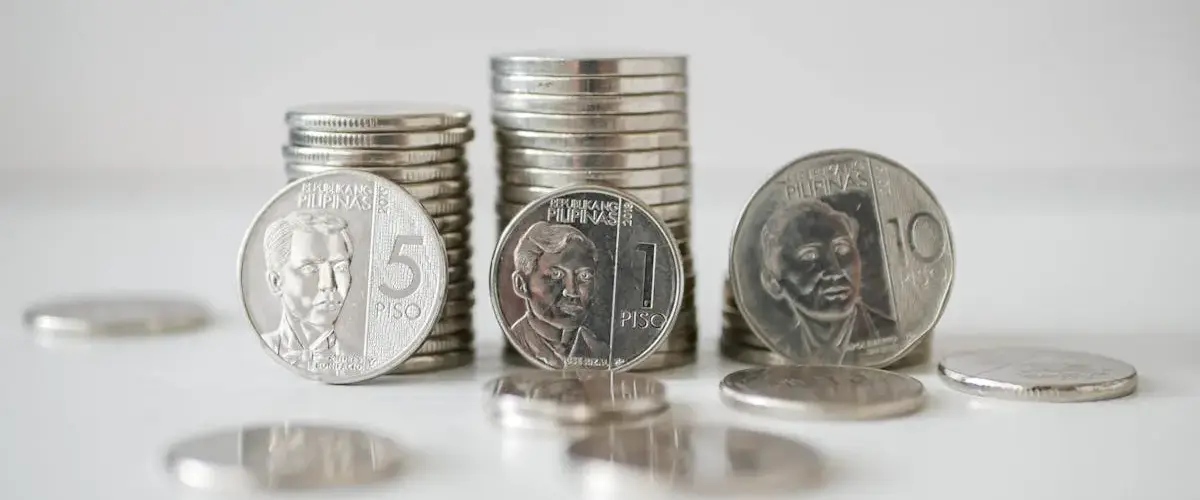
Dear readers Numismatica Ranieri in this post we will discover how to reproduce the coins. In the previous post we told you about some useful techniques to know how to photograph coins and how to clean the coins. Today we will bring our focus on how to reproduce the coins in the coin.
How to reproduce coins
The use of the copies of coins is not birth recently. We could even say the opposite because up until a few decades ago, in the auction catalogues important, they preferred to reproduce photographically, the casts of coins instead of the originals because this method ensured a’ homogeneity greater than the final result. Nowadays is no longer in use, make a copy sound of its own coins; at most, we want just to take photos. Yet a reproduction you can to really serve many purposes, some of which are of interest to you. Let's have a look.
Techniques of reproduction of coins
The reproductions can be divided into 3 types:
- Copy solid (metal or plaster).
- Hard copy (method (paper and pencil or photography).
- Digital copy.
Let's start from the second type, changing the order listedbecause it is the most widely used method. To build a paper copy with the system "paper and pencil" just have a sheet of paper type tissue paper and a pencil in punta grossa. We support the sheet on the coin to play, and with the pencil, color the part above, taking care not to exert excessive pressure and avoid work toe, two things that would lead to the rupture of the thin sheet of paper.
It is clear that such a system is very cheap and easily done anywhere. Conversely, the quality of the reproduction is certainly not to define optimal, but if our purpose is to provide for the cataloging of copy, for example, or make up for the temporary lack of a photographic reproduction, should be more than good.
The copy is solid far the best onebecause it gives more details and a tridimensionalismo obviously no stranger to the hard copies. To obtain a copy in plaster we will have to get the "silicone gel used by dentists for the impressions of the teeth and its curing agent (a liquid that makes it harden).
The obtained I-impression, remarkable for fidelity and reproduction of details, simply pour the liquid plaster and wait for this to dry to get our copy is strong and that, in a second time, you will also be able to paint. The matrix in the gel lasts for multiple copies.
Other types of copies of a solid are guaranteed by the method of "stereo" and "galvanic". These methods provide us with copies of metal, and then we would be the "top". They are, however, systems are a bit antiquated and that we don't know the effects on the original. It is therefore smart thing, before I even have a copy of the value, use a coin of little value.
Copy "stereo" you get in a stereowhere once obtained, the matrix provides colarvi a molten alloy of lead based.
II method "galvanic" based on the properties of the metals to conduct electricity. In an electrolytic bath are immersed in both the original and a bundle of soft lead. The first, which is crossed by the current, it will activate the salts of gold or silver (as applicable) contained in the bathroom.
These will be deposited on the round in the lead, reproducing accurately the original.
The digital copy instead it is a relatively recent invention, which has replaced the photographic system in the space of a few years. You can get the digital reproductions thanks to the sophisticated scanner, or using common digital cameras. II system is considered as "non plus ultra" in the case of storage (on a handy CD-rom or USB stick you can register a lot of images), and given the durability of the data. Another advantage is given by the manipulation that can be performed on these images; resize, brightness, contrast, and even special effects are possible in real time, using these modern devices and a common computer.
The only downsides are, in effect, that, or at least very little – nothing – can serve these digital photos if we do not have a computer. Cost, space, and the desire to learn how to use the computer a desire that is always inversely proportional to the age), then, are the major handicap.
Conclusions
Hoping to have offered some interesting indication as to how to photograph the coins in the coin, we are waiting for your valuable comments. We also invite you to write us for any information or further details. The official email address is: info@numismaticaranieri.it