

The blog numismatic Numismatics Ranieri is ready to provide you with a new article dedicated to discover more details in relation to the medals of the Holy Years. Good read.
The medals of the Holy Years
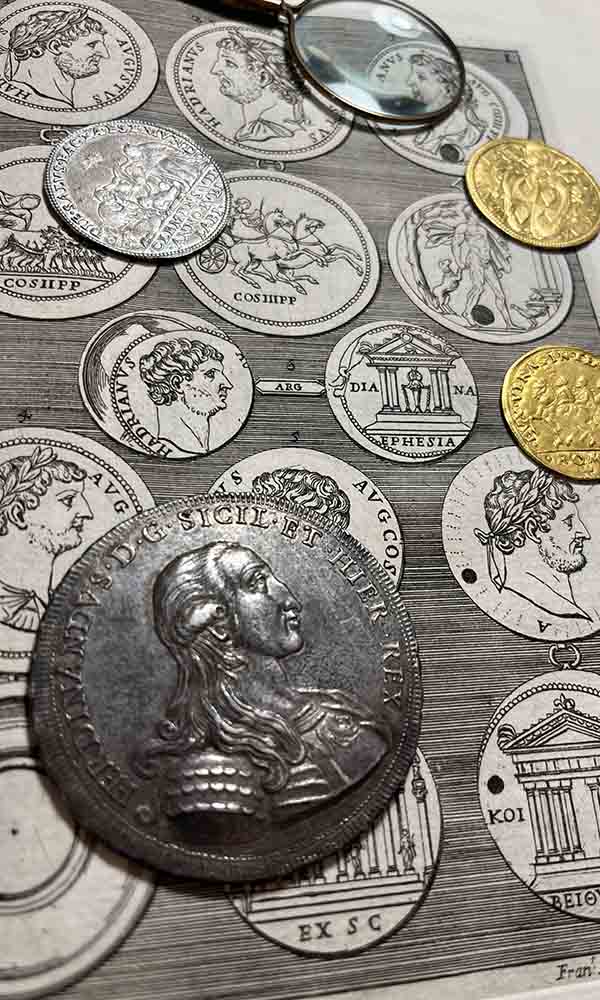
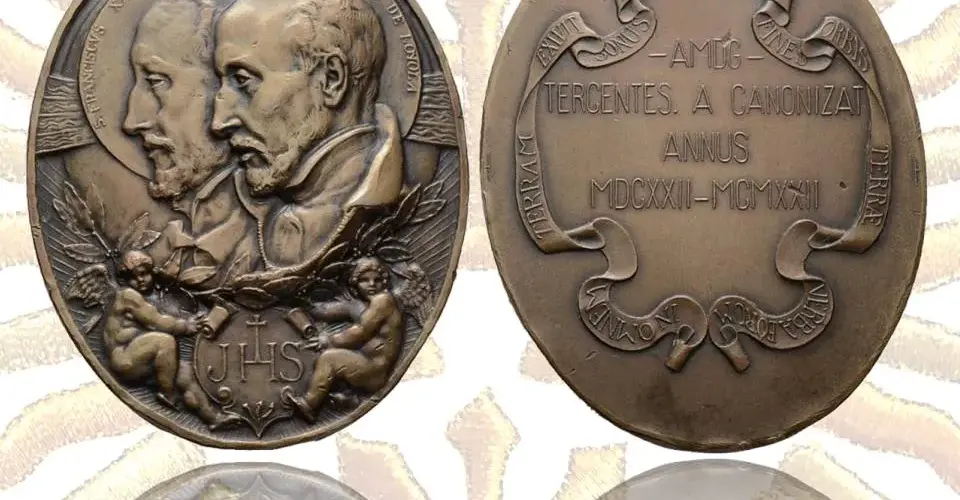
The true founder of the papal medals — reminds Giancarlo Alter through the Holy Year -The history of Jubilees, one of the five special for the Christian Family dedicated to the event — it was pope Paul II (1464-1471), the venetian Pietro Bembo, that he literally medals at the palace that was built, that is, the famous Palace of San Marco, then called the Palazzo Venezia. These were the so-called ‘medals of the foundation’, which on their face copied the design of the building, and who were placed, in a certain number, in the foundations of the building that you had to raise.
Paul II is the Pope who ruled in a definitive way the cadence of the jubilee every 25 years, With the Bull Ineffable providentia Summi Patris on April 19, 1470; perhaps to commemorate the Bubble, was issued that should be the first medal ‘jubilee’: it has, on both sides of the bust of Paul, with the most solemn vestments and legend.
In reality, something that he could call to mind the medals has existed since the TWELFTH century: they were of the plates of lead, mostly square or rectangular in shape, with the images of Saints Peter and Paul, that the pilgrims used to sew on dresses, almost as a document of their journey at the tombs of the Apostles
- The first medals truly ‘jubilee’ should go back , according to some accounts, in reality, not very clear, to the pontificate of Alexander VI, who introduced The use of open and close the holy Door at the vatican basilica; at the end of the Jubilee, at the time of closing the holy Door would walled in the same number of medals, or, more definitely, coins (the documentation is uncertain).
However, the first medals in which it appears explicitly the holy Door back to the Jubilee of 1550, during the time of Julius Ill. This solemn ceremony is reproduced in the cope worn by the Pope on a famous medal, perhaps the most beautiful of the ‘500, which shows on the reverse an extraordinary and detailed view of the city of Rome. Attributed by most scholars to Alessandro Cesati, detto il Grechetto, because native of Cyprus, it was mentioned by Vasari and praised even by Michelangelo" .
"The first pontiff to affix the date on the coins of the jubilee – reminds Roberto Saccarello of Club3 — is Alexander VI, as clearly seen on the reverse of 3 florins to the room through the legend '...An Ivbilei Mc', year of the jubilee of 1500. The currency of jubilee, the most interesting of the SIXTEENTH century under the artistic profile is without a doubt the 5 ducati papal of the Holy Year of 1525". It is, in the opinion of Domenico Sabbioni of the Eco of Bergamo, the "coin-perhaps the most famous and artistically significant of all the five hundred on which, along with Christmas, is depicted in the opening of the Holy Year. Contrary to what at first glance may seem, the scene of the nativity", a creation that is truly refined, probably made by the engraver vicentino Valerio Belli, it is not for nothing abnormal on a coin of the jubilee. And this is because the opening of the holy Door, takes place the night of Christmas. Beautiful, dense (weighs 1 7 25 grams), the gold coin, five ducats, it's really fascinating."
"One of the most beautiful coins of the entire series pontifical — looks the same as Roberto monte Saccarello, from the columns of the second special of the Pauline jubilee Year – The history of Jubilees — it is considered the plate, silver bar for the Holy Year of 1675, engraved by Girolamo Lucenti: the right bears the bust of pope Clement X, drawn, perhaps, by Bernini; the reverse of the holy Door in which they are entering some of the pilgrims".
Conclusions
Hoping that this article is devoted to the medals of the Holy year and the pontifical medals have been of interest to you, waiting for your opinions.
You can let us know what you think or send us other tips through the space, and comments confidential, or through the contact page. Also for any doubts or queries please visit the contact us section of our website.
For any information or further details of our e-mail address is the following: info@numismaticaranieri.it
To the next one with the best news related to the world of numismatics.